A well-planned treatment environment depends on more than having enough cupping therapy supplies on hand. Practitioners may work in permanent treatment rooms, shared clinics, teaching environments, or mobile settings, and each situation can create different equipment and organization needs.
That makes flexibility an important consideration when assembling a cupping setup. A practitioner who primarily works from one treatment room may have very different priorities from someone who transports equipment between locations. Rather than purchasing supplies based solely on individual products, it can be more useful to consider how those supplies function together within the treatment workflow.
Why the Treatment Setting Should Influence Equipment Planning
Cupping equipment does not exist independently from the environment in which it is used. Space, storage, transportation, treatment-table positioning, cleaning procedures, and the amount of equipment available can all influence how practical a particular setup becomes.
A permanent clinic can accommodate a more extensive collection of cups and accessories because supplies can remain organized in dedicated storage. A mobile practitioner, by contrast, may need to prioritize portability and keep the equipment required for a typical session together in a compact kit.
Shared practices introduce another consideration. Equipment may need to be clearly organized so that practitioners can locate what they need without disrupting another person’s setup.
When evaluating cupping therapy supplies, practitioners can therefore begin by asking how the equipment will actually move through the practice:
- Where will the supplies be stored?
- Will equipment remain in one treatment room?
- Does it need to travel between locations?
- Which accessories are used during nearly every session?
- Which supplies are specialized and used less frequently?
- How will used equipment be separated from clean equipment?
These questions can prevent a practice from accumulating equipment that is technically useful but poorly suited to its daily workflow.
Why Build Around the Core Treatment Setup for Cupping Therapy Supplies
A flexible cupping kit should begin with the equipment used most consistently rather than with every possible accessory. For many practitioners, that means establishing a reliable core of cups and the equipment needed to create and control suction.
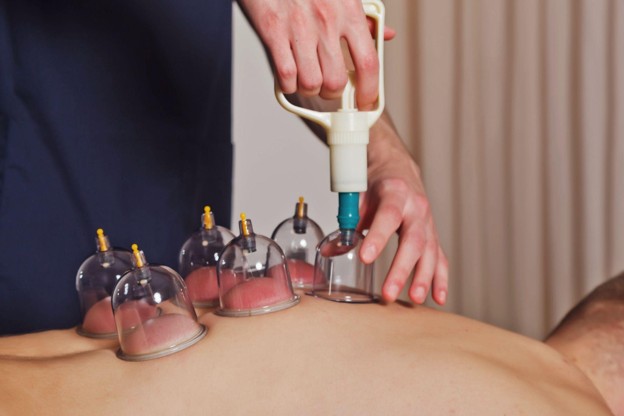
Manual pumps can be particularly relevant when a practice uses plastic cupping systems designed for pump-assisted application. They provide a straightforward way to establish suction without requiring a large piece of equipment, which can make them practical for both fixed and portable treatment environments.
The goal is not necessarily to create the smallest possible kit. It is to create one in which each core component has a clear purpose and can be accessed without unnecessary preparation.
That distinction becomes important as cupping therapy supplies expand. Adding more equipment can increase capability, but it can also make storage and preparation more complicated if the supplies are not organized according to how they are actually used.
Where Extension Tubes Can Add Flexibility
An extension tube is a relatively small accessory, but its value can become more apparent when practitioners need greater flexibility in positioning a pump.
Direct access to every treatment area is not always equally convenient. Depending on the treatment position and location of the cups, an extension tube can allow the practitioner to operate the pump from a more manageable position.
This can be particularly relevant when equipment needs to accommodate different treatment arrangements rather than a single standardized setup.
For practices evaluating cupping therapy supplies, accessories such as extension tubes are therefore worth considering as part of the overall system rather than as unrelated add-ons. A small accessory that improves equipment positioning can sometimes have a larger practical effect on workflow than adding another specialized cup.
Separate Specialized Equipment From Everyday Equipment
Not every form of cupping equipment needs to be part of the everyday treatment kit.
Some practitioners may incorporate fire cupping into their practice, while others may primarily use pump-assisted plastic cups. These approaches can require different equipment, preparation, storage, and safety considerations.
Keeping specialized equipment organized separately from frequently used supplies can make treatment-room preparation more predictable. It also helps practitioners identify what needs to be replenished regularly and what can remain stored until needed.
A useful organizational system might divide equipment into categories such as:
- Core cups and frequently used accessories
- Pump and suction-related equipment
- Specialized fire-cupping equipment
- Disposable or sanitary supplies
- Cleaning and post-treatment supplies
- Backup equipment and less frequently used accessories
This type of categorization can make cupping therapy supplies easier to manage as a practice grows because every item has a defined place within the workflow.
Design a Kit for the Way the Practice Actually Operates
A common mistake in equipment planning is building a kit around what is available rather than around what the practitioner actually does.
A mobile practitioner may prioritize a compact assortment that can be transported easily. A clinic with multiple treatment rooms may need duplicated core equipment so practitioners do not have to move supplies from one room to another. A training environment may require larger quantities because several users need access to equipment simultaneously.
The right configuration can therefore vary significantly even when two practitioners use similar treatment methods.
Before expanding cupping therapy supplies, it can help to map a typical treatment session from preparation through cleanup. Identify which equipment is handled first, which items remain within reach during treatment, and which supplies need to be replaced or cleaned afterward.
That exercise can reveal practical gaps that are easy to overlook when equipment is purchased one item at a time.
Complete Sets Can Simplify Initial Setup
For someone establishing a new cupping practice or expanding into a different treatment environment, a complete set can provide another way to approach equipment planning.
Rather than assembling every component separately, a set may combine multiple cups with supporting equipment such as a pump and extension tube. That can simplify the initial process of determining which basic components are required for a functional setup.
The advantage is not simply having more pieces. A coordinated collection can make it easier to understand how the components are intended to work together.
At the same time, experienced practitioners may eventually need to supplement a set with individual cupping therapy supplies based on their treatment volume, preferred equipment, or specialized applications. A starter configuration does not have to become a permanent limitation.
Think About Expansion Before Adding More Equipment
A practice’s equipment needs can change as its workload changes. A practitioner who initially works alone may eventually share a treatment space with colleagues. A fixed clinic may begin offering services at external events. A training program may need enough equipment for several participants at once.
Thinking about those possibilities can help prevent repeated purchases that do not integrate well with the existing setup.
Instead of asking only whether a new item could be useful, practitioners can consider whether it will:
- Work with the equipment already in use
- Be easy to store and retrieve
- Support the treatment workflow
- Be practical to transport when necessary
- Require additional accessories
- Create additional cleaning or maintenance responsibilities
- Remain useful if the practice expands
This approach turns cupping therapy supplies from a collection of individual purchases into a more deliberate equipment system.
Flexible Equipment Planning Supports a More Adaptable Practice
The most useful cupping setup is not necessarily the largest one or the one containing the greatest variety of equipment. It is the setup that matches the practitioner’s environment, treatment workflow, storage capacity, and anticipated needs.
For a permanent clinic, that may mean maintaining a well-organized treatment station with a broad selection of equipment. For a mobile practitioner, it may mean creating a compact kit built around essential cups, a pump, and selected accessories. The American Academy of Acupuncture and Oriental Medicine, a professional organization supporting education and practice in acupuncture and East Asian medicine, provides broader professional context for practitioners working with modalities such as cupping. For a growing practice, modular equipment can make it easier to add supplies without completely reorganizing the existing system.
Ultimately, cupping therapy supplies should support the way a practitioner works rather than dictate it. By considering portability, organization, specialized equipment, accessories, sanitation requirements, and future expansion before purchasing, practitioners can create a setup that remains practical as their treatment environment changes.