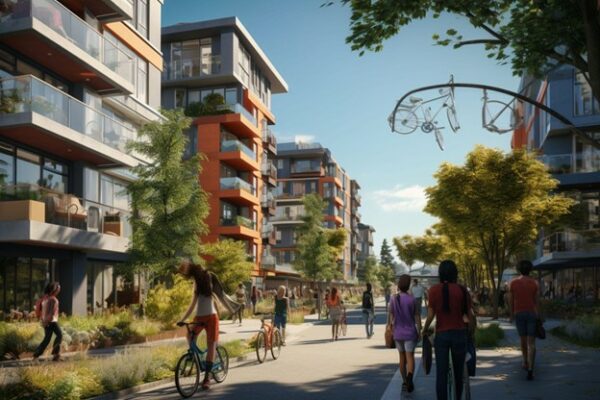
The idea of urban convenience is evolving rapidly, and West Philadelphia apartments are increasingly becoming central to the rise of hyper-localized city living. Across major metropolitan areas, residents are shifting away from car-dependent lifestyles and toward neighborhoods where work, wellness, dining, transit, education, and recreation exist within a short walking radius. This transformation, often associated with the “15-minute city” concept, is reshaping how people evaluate housing, neighborhood value, and everyday quality of life.
In West Philadelphia, this shift is especially visible. Residents are no longer choosing apartments based solely on square footage or proximity to downtown business districts. Increasingly, they are prioritizing access to integrated neighborhood ecosystems that support daily efficiency, flexibility, and community-centered living.
Why the 15-Minute Living Model Is Gaining Momentum
The concept behind 15-minute living is relatively straightforward: essential daily needs should be reachable within approximately fifteen minutes by walking, biking, or short public transit rides. While the idea has gained international attention in urban planning circles, many neighborhoods have naturally evolved in this direction over time.
West Philadelphia apartments fit particularly well within this framework because the surrounding urban environment already supports mixed-use functionality. Residential spaces coexist alongside universities, healthcare institutions, cafés, grocery stores, green spaces, cultural centers, and transit infrastructure.
This urban structure creates several practical advantages:
- Reduced dependence on long commutes
- Easier access to essential services
- More walkable daily routines
- Increased neighborhood engagement
- Greater flexibility for remote and hybrid workers
- Lower transportation-related stress and expenses
Rather than treating housing as an isolated destination, residents increasingly view apartments as anchors within broader daily ecosystems.
West Philadelphia Apartments and the Rise of Hyper-Localized Living
Urban residents are becoming more intentional about how neighborhoods influence mental well-being, productivity, and time management. The pandemic accelerated many of these conversations, but the underlying shift extends beyond temporary lifestyle adjustments.
People now place greater value on neighborhoods that support multiple aspects of life simultaneously. West Philadelphia apartments continue attracting attention because they often sit within environments where professional, educational, healthcare, and recreational needs intersect naturally.
This interconnected structure supports a more fluid lifestyle. Residents can transition between workspaces, cafés, fitness studios, parks, transit stops, and social environments without navigating lengthy commutes or fragmented city layouts.
For many people, that accessibility translates into something increasingly important: cognitive relief.
Time Efficiency Has Become a Lifestyle Metric
Urban convenience was once associated primarily with luxury amenities. Today, efficiency itself is increasingly viewed as a form of wellness.
When grocery stores, public transportation, healthcare services, green spaces, and restaurants exist within a compact radius, residents often reclaim substantial amounts of time each week. That recovered time may support healthier routines, improved work-life balance, and reduced daily stress.
This lens increasingly values West Philadelphia apartments because they support practical time efficiency across multiple dimensions of city living.
This often includes:
- Shorter transit times
- Easier errand completion
- More flexible workday scheduling
- Increased opportunities for walking instead of driving
- Faster access to social and cultural activities
The result is not simply convenience. It is a more manageable urban rhythm.
Walkability Is Becoming a Long-Term Urban Priority
Walkability has evolved from a desirable feature into a significant urban planning priority. According to the American Planning Association, walkable neighborhoods often contribute to stronger community engagement, healthier mobility patterns, and more sustainable city development.
In practice, walkable environments encourage residents to interact more frequently with local businesses, public spaces, and neighborhood infrastructure. This creates a stronger sense of place and belonging.
West Philadelphia apartments increasingly align with this demand because many surrounding neighborhoods already support pedestrian-friendly layouts, mixed-use zoning, and public transit integration.
Residents are often drawn to environments where daily life feels geographically connected rather than dispersed across long distances.
Remote and Hybrid Work Have Changed Residential Priorities
The rise of remote and hybrid work models significantly altered how people evaluate urban housing. Proximity to a single downtown office is no longer the dominant factor for many renters.
Instead, residents now prioritize neighborhoods capable of supporting full-day functionality.
That includes access to:
- Reliable cafés and work-friendly environments
- Parks and outdoor spaces for breaks or exercise
- Transit flexibility for occasional commuting
- Nearby dining and grocery infrastructure
- Wellness services and fitness options
- Community-oriented public spaces
West Philadelphia apartments increasingly attract residents seeking these layered neighborhood ecosystems rather than isolated residential towers disconnected from daily life.
Hyper-Localized Living Supports Economic Sustainability
The 15-minute living movement also intersects with broader financial considerations. Car ownership, fuel costs, parking expenses, and long commutes create substantial ongoing urban costs.
Living in neighborhoods where daily needs remain accessible by foot, bicycle, or transit may help reduce those expenses over time.
Residents often experience:
- Lower transportation costs
- Reduced commuting-related fatigue
- More predictable daily schedules
- Greater flexibility in balancing work and personal responsibilities
As urban affordability conversations continue evolving, neighborhood efficiency increasingly influences long-term housing decisions.
Community Infrastructure Matters More Than Ever
Modern renters are paying closer attention to how neighborhoods function socially, not just physically. Strong local infrastructure often contributes to emotional well-being, safety perception, and long-term neighborhood attachment.
West Philadelphia apartments frequently exist within areas shaped by educational institutions, healthcare centers, local businesses, and active public spaces. These elements collectively create environments where residents can participate more consistently in community life.
This may include:
- Farmers markets and neighborhood events
- Independent cafés and local retail corridors
- Accessible cultural programming
- Public green spaces and recreational areas
- Community-centered transit systems
According to the National Association of Realtors, neighborhood walkability and community accessibility continue influencing housing demand across urban markets, particularly among younger professionals and long-term renters.
The Emotional Appeal of Neighborhood-Centered Living
Beyond logistics and efficiency, hyper-local living also carries emotional value. Residents increasingly seek neighborhoods that feel active, connected, and personally navigable.
Long commutes and fragmented urban routines can create chronic mental fatigue. By contrast, neighborhoods supporting localized daily movement often feel more grounded and sustainable.
West Philadelphia apartments increasingly appeal to residents who value:
- Familiar local routines
- Easier social connection
- Reduced transportation stress
- Greater spontaneity in daily activities
- More opportunities for outdoor movement and exploration
These qualities contribute to a stronger sense of stability within urban life.
Why the 15-Minute Living Trend Is Likely to Continue
As cities continue adapting to changing work patterns, sustainability goals, and evolving resident expectations, hyper-local urban design will likely become even more influential.
Future residential demand may increasingly favor neighborhoods capable of supporting complete daily functionality without requiring excessive travel or dependency on centralized downtown infrastructure.
West Philadelphia apartments are becoming increasingly relevant within this conversation because they reflect many of the qualities modern urban residents now prioritize: accessibility, flexibility, walkability, connectivity, and neighborhood-centered living.
The growing appeal of the 15-minute lifestyle ultimately reflects a broader shift in how people define urban success. Increasingly, the most desirable neighborhoods are not simply those closest to economic centers but those that allow residents to build healthier, more efficient, and more connected everyday lives.